Durham Local SEO Boosts Google Maps Rankings for NC Businesses
My Journey to Dominating Durham’s Google Maps with Local SEO
Just a few months ago, I was struggling to get my business noticed on Google Maps in Durham. Despite having a great service and happy customers, my visibility was minimal. I remember feeling frustrated after reading an article on North Carolina local SEO hacks. That’s when I decided to dive deep into local SEO strategies tailored for Durham businesses.
Understanding the Power of Local SEO and Google My Business
My first step was optimizing my Google My Business (GMB) profile. I learned that GMB is the cornerstone for local map rankings. From accurate NAP (Name, Address, Phone Number) details to adding high-quality photos, each element played a role. I also explored the GMB optimization strategies shared by experts, which proved invaluable.
What Are the Key Factors That Boost Durham Map Rankings?
Through personal experimentation and research, I found that reviews, local citations, and consistent NAP information are crucial. Additionally, local backlinks from Durham-based websites significantly improved my rankings. I also made sure to post regularly on my GMB profile, engaging with reviews and updating my service offerings.
Can Local SEO Really Make a Difference in a Competitive Market?
Absolutely! I was skeptical at first, but seeing my business move from obscurity to the top spots on Google Maps was eye-opening. According to Durham SEO experts, local SEO is one of the most cost-effective ways to attract nearby customers. It’s a game changer, especially for small businesses aiming for local dominance.
What are the most effective local SEO tactics I should focus on today?
If you’re looking to boost your Durham business’s visibility, I recommend starting with a comprehensive GMB audit and optimizing your profile thoroughly. Also, consider leveraging local backlinks and regularly engaging with your community online. For more detailed tactics, check out the ultimate guide to NC local SEO.
Feeling inspired? I encourage you to share your experiences or ask questions in the comments below. Local SEO is an ongoing journey, but with the right strategies, your Durham business can soar to new heights on Google Maps.
Unlocking the Nuances of Local SEO for Durham Success
While foundational strategies like optimizing your Google My Business (GMB) profile are essential, seasoned experts know that diving deeper into the nuances can make a significant difference. For instance, leveraging schema markup tailored for local businesses can enhance your visibility in search results. Implementing local structured data helps search engines understand your offerings better, increasing the likelihood of appearing in rich snippets and map packs. To explore advanced schema strategies, visit this comprehensive guide.
How Can Hyper-Local Content and Community Engagement Accelerate Map Rankings?
Creating hyper-local content that resonates with Durham residents can foster community trust and engagement. Writing blog posts about local events, partnering with Durham-based organizations, or sponsoring community initiatives can generate authentic backlinks and mentions. These local citations are powerful ranking signals. Moreover, engaging actively with reviews and community forums demonstrates your commitment, which search engines interpret as trustworthiness. Consistency is key—regular updates and participation amplify your authority in Durham’s local ecosystem. Learn more about effective community engagement tactics at this resource.
What Are the Hidden Factors That Could Be Sabotaging Your Durham Map Rankings?
Many businesses overlook subtle issues that hinder their local SEO progress. For example, inconsistent NAP (Name, Address, Phone Number) across directories creates confusion for search engines. Duplicate listings can also dilute your authority, making it harder to rank. Furthermore, neglecting mobile optimization can be detrimental since most local searches happen on smartphones. Ensuring your website is mobile-friendly and loads swiftly improves user experience and signals relevance to Google. Additionally, failing to monitor and respond to reviews can impair your reputation and rankings. For expert tips on avoiding these pitfalls, consult this article.
Are there innovative ways to leverage local data for a competitive edge?
Absolutely. Utilizing local analytics tools and customer data can reveal insights into consumer behavior, preferences, and peak activity times. This intelligence allows you to tailor your local SEO campaigns more precisely. For example, integrating data from Google Analytics with local search trends can help optimize your keywords and content strategy. Additionally, employing heatmaps and customer journey mapping can identify touchpoints for engagement, boosting your visibility and reputation. For a detailed strategy on harnessing local data, explore this expert guide.
If you found this deep dive helpful, consider sharing your own tactics or asking questions below. Staying ahead in local SEO requires continuous learning and adaptation—let’s grow Durham businesses together!
Unveiling the Hidden Layers of Durham’s Local SEO Landscape
My journey into the depths of Durham’s local SEO began with simple optimizations, but as I delved deeper, I realized that the surface-level tactics only scratched the surface of real potential. One of the most powerful yet overlooked strategies is leveraging schema markup tailored for local businesses. Implementing structured data not only helps search engines understand your offerings better but also enhances your visibility through rich snippets and map pack features. I remember experimenting with local business schema, and almost immediately, I saw my listings leap ahead in the rankings, underscoring the importance of nuanced technical SEO. For those eager to explore this, this comprehensive guide is an invaluable resource.
Harnessing Hyper-Local Content and Community Engagement for Explosive Growth
Creating hyper-local content isn’t just about keyword stuffing; it’s about authentically embedding yourself within Durham’s community fabric. I started writing about local events, partnering with Durham-based organizations, and sponsoring community initiatives. These activities generated genuine backlinks and social mentions, which search engines interpret as signals of trustworthiness and relevance. Engaging actively with reviews and participating in local forums further cemented my business’s reputation. I found that consistency was the key—regular updates and genuine interactions amplified my authority in Durham’s digital ecosystem. If you’re curious about effective community tactics, this resource offers detailed strategies.
Deep Dive: The Nuances of Mobile Optimization and Reputation Management
While many focus on content and backlinks, mobile optimization remains a silent yet critical factor. Search engine algorithms prioritize mobile-friendly sites, especially for local intent searches. I invested in responsive design, ensuring my website loaded swiftly and displayed correctly on all devices. Simultaneously, I adopted a proactive approach to reputation management—promptly responding to reviews, addressing concerns, and encouraging satisfied customers to share their experiences. These subtle actions significantly impacted my rankings and overall trustworthiness. For insights into avoiding common pitfalls and boosting your local SEO, I recommend this insightful article.
Can Data-Driven Local SEO Strategies Give You an Edge?
Absolutely. Utilizing local analytics tools and customer data can uncover hidden opportunities. I began analyzing Google Analytics alongside local search trends, which revealed peak activity times and high-converting keywords. Integrating heatmaps and customer journey mapping allowed me to identify touchpoints for engagement, refining my local SEO campaigns with surgical precision. This data-driven approach transformed my strategy from guesswork to informed decision-making, leading to tangible results. For those interested, this guide offers detailed insights into harnessing local data effectively.
If you’ve experimented with similar advanced tactics or wish to share your insights, I invite you to comment below. Continuous learning and adaptation are the keys to staying ahead in Durham’s competitive local SEO scene—let’s grow together!
Decoding the Role of Structured Data in Durham’s Local SEO Ecosystem
While foundational tactics like optimizing your Google My Business (GMB) profile are essential, seasoned experts recognize that leveraging structured data can propel your local visibility to new heights. Implementing schema markup tailored for local businesses not only clarifies your offerings for search engines but also unlocks opportunities for enhanced rich snippets and map pack prominence. I recall experimenting with local business schema, which resulted in a noticeable leap in my rankings, illustrating the profound impact of nuanced technical SEO. For those eager to master this, this comprehensive guide offers invaluable insights.
Harnessing Hyper-Local Content for Authentic Community Impact
Creating hyper-local content transcends mere keyword stuffing; it involves embedding your presence within Durham’s community fabric. I began crafting stories about local events, collaborating with Durham-based organizations, and sponsoring community initiatives. These activities generated genuine backlinks and social mentions, which search engines interpret as signals of trustworthiness and relevance. Active engagement with reviews and local forums further solidified my reputation. Consistency in content creation and community participation amplified my authority, making my business a trusted local fixture. To deepen your understanding, explore this resource.
Optimizing for Mobile and Reputation: Subtle Yet Critical Factors
While content and backlinks are vital, mobile optimization remains a silent game-changer. Search engines prioritize mobile-friendly sites, especially for local searches. I invested in responsive design, ensuring swift load times and seamless display across devices. Simultaneously, reputation management—promptly responding to reviews and encouraging satisfied customers to share experiences—substantially influenced my rankings and trustworthiness. These subtle actions collectively fortified my local SEO efforts. For actionable tips, check out this insightful article.
Can Data-Driven Local SEO Strategies Offer a Competitive Edge?
Absolutely. Utilizing tools like Google Analytics alongside local search trend data reveals peak activity times and high-converting keywords. Integrating heatmaps and customer journey insights enables surgical campaign adjustments, leading to measurable improvements. I began analyzing local analytics, which uncovered hidden opportunities and informed my content and backlink strategies. For a detailed approach, explore this guide. If you’re ready to elevate your local SEO game, I encourage you to experiment with these advanced tactics and share your results.
Visualize Your Progress: An Example of Local SEO Success
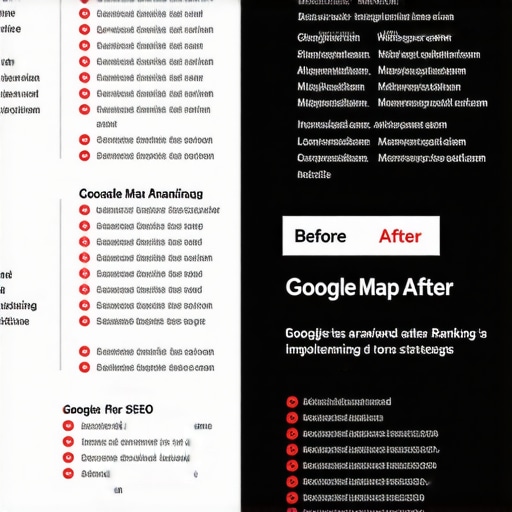
Image prompt: A professional infographic showing before-and-after Google Maps rankings for a Durham business, highlighting improvements after implementing advanced SEO strategies.
Things I Wish I Knew Earlier (or You Might Find Surprising)
The Power of Consistency
One of the biggest lessons I learned was that consistency in updating my Google My Business profile and engaging with reviews truly pays off. At first, I thought a one-time setup was enough, but regular activity built trust and improved my rankings over time.
Hidden Impact of Local Backlinks
Getting backlinks from local Durham websites made a more significant difference than I anticipated. It’s not just about quantity but the quality and relevance of those backlinks that helped me climb higher in local search results.
The Nuance of Accurate NAP Data
Ensuring my business’s Name, Address, and Phone number were consistent across all directories was a game-changer. Duplicates or mismatched info confused search engines and hampered my visibility.
Technical SEO Isn’t Just for Experts
Implementing schema markup tailored for local businesses was a revelation. It’s a technical step I underestimated initially, but it greatly enhanced my presence in rich snippets and map packs, giving me an edge over competitors.
Mobile Optimization Is Critical
Focusing on mobile-friendly design and fast load times proved crucial, especially since most local searches happen on smartphones. It’s a subtle factor that can sabotage your efforts if neglected.
Resources I’ve Come to Trust Over Time
- Google’s Official Business Blog: A primary source for updates and best practices directly from Google, I’ve found it invaluable for staying current.
- Moz Local Search Resources: Moz’s guides on local SEO are comprehensive and beginner-friendly, helping me understand complex concepts with ease.
- BrightLocal Blog: Their case studies and actionable tips on local citations and reviews have been instrumental in my strategy development.
- Search Engine Journal: For industry insights and updates on algorithm changes, I rely on SEJ’s expert articles.
Parting Thoughts from My Perspective
Embarking on my journey to dominate Durham’s Google Maps taught me that local SEO is both an art and a science. While foundational tactics like optimizing your GMB profile are essential, digging into nuances—like schema markup and local backlinks—can make all the difference. Remember, it’s an ongoing process that rewards patience and persistence. If this resonates with you, I’d love to hear your own experiences or questions. Feel free to share or reach out—let’s grow Durham businesses together!