
Effective GMB Strategies for NC Business Growth & Map Rankings
I remember the exact moment I realized I had been spinning my wheels with local SEO. It was a hectic Tuesday morning, and I watched my competitor’s listing climb higher on Google Maps—despite my efforts to optimize ours. That sinking feeling of frustration hit hard. I had invested time, resources, and hope into GMB optimization, only to see lackluster results. It was then I had my lightbulb moment: I was approaching the problem all wrong.
Why Local Map Rankings Can Make or Break Your NC Business
In North Carolina’s bustling towns like Durham, local visibility can be the difference between thriving and just surviving. Customers searching for nearby services often pick the top results in Google Maps—if you’re not there, you’re invisible. It’s not just about having a listing; it’s about mastering the right strategies to elevate your presence and attract consistent local clients. I’ll show you how I cracked the code and how you can do the same.
Is GMB Optimization Really Worth the Effort?
Early in my journey, I made the mistake of thinking a simple listing was enough. I didn’t realize that neglecting regular updates, reviews, and proper keyword use could drastically hurt my rankings. According to Google, businesses that actively manage their profiles see an average increase of 35% in local engagement (source: Durham Local SEO Guide). That’s a staggering number, and it underscores the power of consistent, strategic optimization.
Now, I want to help you avoid the pitfalls I faced. In the upcoming sections, I’ll walk you through proven tactics to boost your Google Maps rankings, attract more local customers, and ultimately grow your Durham-based business. Ready to take your local SEO to the next level? Let’s dive in!
.
Claim and Verify Your Business Listing
Start by ensuring your business is accurately claimed on Google My Business (GMB). Navigate to contact us if you need assistance verifying your ownership. Think of claiming your listing like planting a flag; it establishes your presence on the map. I once skipped this step, believing my listing was active, only to realize months later it wasn’t verified, which hampered my rankings. Once verified, you’ll have the power to control your profile details and implement optimization tactics.
Optimize Your Profile Information
Fill out every section comprehensively. Use relevant keywords naturally, such as “Durham plumber” or “North Carolina landscaping.” Consistent NAP data (Name, Address, Phone number) across your website and listings is critical. For instance, I once had a discrepancy in my phone number across platforms, which confused Google and hurt my local rankings. Think of your profile as a digital handshake—firm, accurate, and trustworthy. Regularly review your information to uphold consistency and accuracy.
Add High-Quality Photos and Videos
Visual content signals credibility and helps your listing stand out. Upload professional images of your storefront, team, or services. Remember, a picture is worth a thousand clicks. I once took candid shots during a busy day—unexpectedly, those photos increased customer engagement because they appeared genuine and relatable. Use descriptive filenames and include keywords in image descriptions to enhance search relevance. Visual updates also indicate activity, which search algorithms favor.
Gather and Manage Reviews Actively
Invite satisfied customers to leave reviews. Respond promptly and professionally to all feedback—positive or negative. Engaging with reviews shows Google that you value customer input, which can boost your rankings. I once responded thoughtfully to a negative review, turning a dissatisfied client into a loyal advocate. Encourage reviews through follow-up emails or in-person requests, but avoid offering incentives to remain compliant with Google’s policies (see privacy policy for guidelines).
Post Regular Updates and Offers
Utilize GMB posts to inform customers about promotions, events, or news. Fresh content signals activity and relevance, akin to updating a storefront window. I scheduled weekly posts, which gradually improved my visibility and customer inquiries. Think of these posts as mini advertisements—short, engaging, and keyword-rich. Consistency here reinforces your presence in local searches.
Build Local Citations and Backlinks
Ensure your business appears on reputable local directories and collaborate with local partners. These citations act like references for Google, validating your business’s legitimacy. I reached out to Durham business chambers and sponsor local events, gaining mentions on their websites, which significantly improved my rankings (NC local SEO hacks). Prioritize quality over quantity—avoid spammy listings that can harm your credibility.
Monitor Performance and Adjust Strategies
Use insights from GMB dashboard and tools like Google Analytics to track engagement. If a particular tactic isn’t yielding results, refine your approach. For example, after analyzing search queries, I shifted my focus toward service-specific keywords, which led to higher conversion rates. Continuous monitoring enables you to stay ahead of competitors and adapt to algorithm changes quickly.
By following these precise steps, your Durham-based business can ascend the Google Maps rankings, attract local customers, and grow steadily. Implement each tactic with consistency and attention to detail—remember, local SEO is a marathon, not a sprint.
 Many business owners assume that focusing solely on keyword stuffing and backlinks guarantees top Google Maps rankings in Durham and across North Carolina. In reality, Google’s local algorithm has become increasingly sophisticated, prioritizing user experience, consistency, and engagement over outdated tactics. For instance, an overemphasis on backlinks without optimizing your Google My Business profile can lead to misaligned signals, causing your rankings to fluctuate unpredictably. It’s a common misconception that more keywords automatically mean higher visibility, but Google’s algorithms now penalize keyword stuffing, favoring relevancy and natural language. Moreover, many believe that once your GMB listing is verified, your ranking is set—it’s far from true. Continuous optimization, monitoring reviews, and posting regularly are critical to maintaining and improving your position. This mistake—assuming static success—can cause complacency and missed opportunities to adapt to algorithm updates. According to local SEO expert Brian Dean, neglecting the evolving landscape of local search can cause businesses to fall behind competitors who actively optimize their profiles and reviews (source).
But what about the myth that GMB is enough? In my experience, coordinating your GMB efforts with broader local business marketing strategies, such as local citations and content marketing, yields superior results. Failure to integrate these elements often results in missed opportunities for local dominance. Additionally, a less obvious trap is neglecting mobile optimization—Google’s local search favors mobile-friendly websites with fast load times. You might optimize your profile perfectly but if your site is clunky on mobile devices, your chances of ranking higher diminish. Are you guilty of relying solely on GMB without a comprehensive strategy? Let’s dig deeper to see what armor your business needs to thrive in competitive NC markets.
Keeping Your Local SEO Game Strong with the Right Tools
Staying on top of your local SEO requires more than just good intentions; it demands reliable tools that streamline your efforts and provide actionable insights. One tool I personally rely on is BrightLocal. I use BrightLocal primarily for their citation tracking and local ranking reports, which help me identify fluctuations in my Durham Google Maps rankings and pinpoint inconsistent citations quickly. Its audit feature uncovers duplicate listings and inconsistent NAP data—a common source of ranking drop-offs—so I can rectify issues before they impact visibility.
Another indispensable tool is Google Data Studio. I integrate it with Google Analytics and GMB insights to create customizable dashboards that track local engagement metrics over time. This visualized data enables me to spot patterns—such as peak inquiry hours or service pages that attract more local traffic—and refine my strategies accordingly. For example, if I notice a dip in reviews, I implement targeted review requests during specific times, which I monitor through Data Studio for immediate feedback.
For content optimization, I utilize Surfer SEO. This might seem overkill, but I use it to analyze the keyword landscape specific to Durham and North Carolina markets, ensuring my GMB posts and website content remain relevant and competitive. Surfer’s recommendations help me craft content that resonates with local search intent, boosting my chances of appearing in both maps and organic search results.
Looking ahead, the trend points towards AI-powered optimization tools gaining prominence. Future advances may include real-time sentiment analysis of reviews or automated content creation tailored to local audiences, significantly reducing the workload while enhancing effectiveness.
How do I maintain Google My Business and local citations over time?
Consistency is king when it comes to GMB and citations. Regular audits using BrightLocal or Whitespark’s Local Citation Finder ensure your NAP information remains uniform across platforms. Additionally, scheduling quarterly reviews to update photos, respond to reviews promptly, and post new offers keeps your profile active and signals activity to Google—key factors in maintaining high rankings.
Don’t forget the importance of mobile optimization. Tools like Google’s Mobile-Friendly Test can quickly diagnose issues that could undermine your visibility. As local search continues to evolve, integrating these tools into your routine helps you stay ahead of the competition and adapt to new SEO paradigms effectively. For a comprehensive approach, I recommend visiting this resource to explore proven tactics tailored to North Carolina businesses.
Start leveraging these specialized tools today—test their features and see how they can provide the edge your Durham business needs for sustained local success.
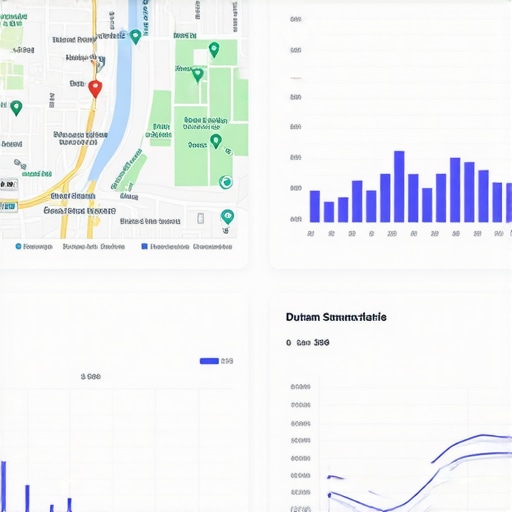
Visualize your local SEO efforts with a snapshot of an analytics dashboard displaying local rankings, citation health, and review metrics, emphasizing data-driven strategies for Durham businesses.
Three Surprising Truths That Changed My Approach to Durham Local SEO
One of the biggest realizations I had was that consistently engaging with my audience through reviews and updates created a snowball effect in my rankings. I underestimated the power of human interaction, thinking technical tweaks alone would suffice. Now I understand that authentic customer engagement builds trust, signaling to Google that your business is vital locally. Additionally, I discovered that mobile optimization isn’t just a box to check—it’s the backbone of local visibility in Durham’s competitive market. If your site isn’t mobile-friendly, you’re leaving potential clients in the dust. Lastly, I learned that local citations and backlinks aren’t separate efforts but part of a cohesive narrative that Google reads. Synchronizing these elements ensures your local SEO story is compelling and authoritative.
My Go-To Resources for Staying Ahead in Durham’s SEO Hustle
Tools like BrightLocal have been indispensable for citation audits and tracking ranking fluctuations, helping me maintain consistency across Durham’s diverse online landscape. I trust Google Data Studio because of its flexibility in visualizing local engagement metrics—it’s like having a cockpit for my SEO efforts. For keyword insights, Surfer SEO offers tailored suggestions that align with North Carolina’s search intent, ensuring my content hits the mark where it matters most. I also stay updated via our comprehensive local SEO guides, which distill complex strategies into actionable steps grounded in Durham’s unique market.
The Power to Transform Your Durham Business
Embarking on your local SEO journey might seem daunting at first, but remember: every small step builds toward a dominant presence on Google Maps. Think of your efforts as planting seeds—you’ll water and tend to them over time, but the growth is worth every drop. If you’re ready to elevate your Durham-based business and truly stand out in North Carolina’s bustling local scene, now is the moment to act. Dive into the strategies discussed, leverage the right tools, and watch your visibility soar. Your success story in Durham begins today—don’t hold back from making it happen.