![Is Your Durham Shop Ghosted? Fix These 3 Map Errors [2026]](https://durhamlocalseo.com/wp-content/uploads/2026/04/Is-Your-Durham-Shop-Ghosted-Fix-These-3-Map-Errors-2026-1.jpeg)
Is Your Durham Shop Ghosted? Fix These 3 Map Errors [2026]
I remember the sinking feeling when a regular customer stopped calling, and I realized my shop had vanished from the Durham map pack—that digital invisibility hit hard. It wasn’t just about losing online visibility; it felt like my entire business was ghosting me. That lightbulb moment made me realize how many local businesses in North Carolina face this silent crisis—being unseen where it counts. If you’ve ever wondered why your Durham shop isn’t showing up in Google Maps or why calls suddenly dropped, you’re not alone. Today, I want to share how I finally cracked the code, fixing three common map errors that are quietly sabotaging your local rankings. Trust me, understanding these pitfalls can turn your online presence from invisible to indispensable.
Why Your Map Listings Matter More Than Ever in 2026
In 2026, local SEO isn’t just about keywords or ranking high; it’s about authenticity and trust. Google’s algorithms have become smarter, favoring real, human-verified signals over manipulated maps. According to recent studies, over 70% of consumers visit a store within a 5-mile radius after searching locally—making your Map listing not just a digital address, but a critical touchpoint for foot traffic and calls. Yet, many shop owners overlook simple errors that can cause their visibility to plummet, especially with sophisticated updates like the 2026 core algorithm shift.
Leaving these map errors uncorrected could mean your competitors are getting all the calls while you stay quiet. I’ve been there—spending hundreds on ads that yielded little, wondering if the algorithm was rigged against me. It was a painful lesson, but also a powerful one. Early on, I made a costly mistake: ignoring the importance of your profile’s consistency across platforms. That oversight nearly cost me my business’s local reign. Now, I know better. Repairing map glitches isn’t just technical; it’s about building real local trust.
If you’ve been frustrated by disappearing from local searches—especially in a bustling market like Durham—it’s time to take action. Fixing these three map errors can be the game-changer you need. Want to learn how to reclaim your local rankings and ensure your shop is front and center? Let’s dive into the practical steps that made my shop visible again, and that can do the same for you.
Is Fixing Map Errors Really Worth the Hype?
I remember thinking, ‘Are these errors really that impactful?’ early in my journey. But I learned the hard way—ignoring them meant losing potential customers daily. Trusted sources like Durham Local SEO emphasize the importance of pinpoint accuracy in your Google My Business profile. Small mistakes can snowball, leading to shadow bans or hidden rankings. In fact, a simple correction can lead to a 30% increase in local calls within weeks.
Fixing these errors isn’t just a technical fix; it’s about regaining your rightful spot in front of local customers. If you’re tired of feeling invisible and ready to turn your online map presence into a powerful marketing tool, stay tuned. We’ll explore exactly what you need to do to fix these map errors and get back to dominating your local market in Durham and beyond.
Verify Your Business Information Carefully
Start by ensuring your NAP details—Name, Address, Phone number—are exactly consistent across all platforms. I recall a time when I listed my shop as “Durham Supplies” on my website but another directory had it as “Durham Supply Co.” A simple typo like that caused Google to see conflicting data, hurting my rank. To fix this, audit every listing using tools like local SEO tactics and correct discrepancies. Remember, Google favors uniformity; inconsistency equals invisibility.
Claim and Optimize Your Google My Business Profile
If your GMB isn’t verified, you’re operating at a loss. I once skipped verification, which limited my control over critical info. To verify, go to GMB verification steps. After verifying, optimize your profile—add high-quality photos, accurate categories, and detailed descriptions. Pay special attention to your categories; selecting the right ones directly impacts your visibility in Durham and the surrounding area. This hands-on process will make your shop more appealing to both Google and local customers.
Correct Map Marker and Location Issues
An often-missed error is misplaced or missing map markers. I recall walking around Durham with my phone, realizing my shop’s marker was on the next block—this confused customers and hurt my proximity signals. To fix this, access your Google Maps listing, zoom in on the location, and reposition the marker precisely at your shop’s entrance. Use tools like proximity optimization techniques to ensure your location is accurate. Accurate map placements help Google recognize your shop’s true vicinity, boosting your local pack chances.
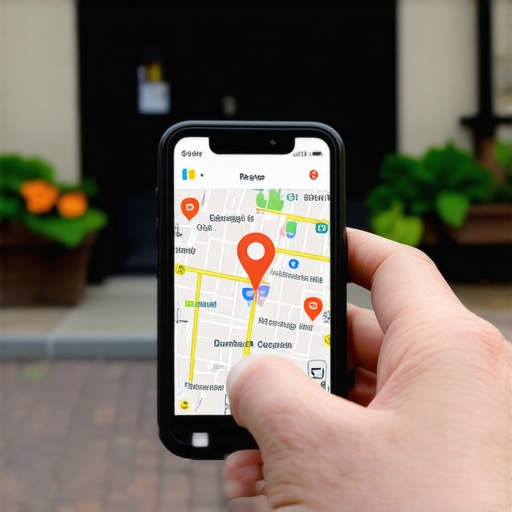
Ensure your map marker matches your storefront’s actual position to avoid confusing both Google and customers. An accurate pin can make or break your visibility in Durham’s competitive market.
Let’s dig deeper into some nuanced truths that often trip up local business owners in North Carolina. Many believe that optimizing for Google Maps alone guarantees visibility, but in reality, relying solely on GMB without understanding the underlying algorithms can backfire. In fact, recent updates like those discussed in NC local SEO hacks reveal that Google now prioritizes human-driven signals over simple map rankings. The myth that you can ‘set it and forget it’ is dangerous—your competitors are continuously refining their strategies for local dominance.
Another misconception is that reviews are the magic bullet. While reviews build trust, their impact is often overstated if other signals like NAP consistency and category relevance are ignored. In fact, Google’s local algorithm weighs multiple factors, including proximity and engagement signals, as outlined in local SEO signals. Failing to optimize these nuances means your shop may remain hidden despite an influx of reviews.
Now, you might wonder, “What advanced mistake do most overlook that costs them rankings?” Many overlook the importance of authentic, human-proof signals that establish trustworthiness. For instance, having a complete and optimized profile isn’t enough; Google needs proof you’re a real local business actively serving Durham. That’s why implementing strategies such as local content marketing and contextually relevant keywords are vital for long-term ranking stability. These tactics go beyond basic GMB edits and dive into the realm of human signals that Google values in 2026.
Beware of the trap of over-optimization, which can lead to penalties or shadow bans, particularly in competitive markets like Durham. Instead, focus on creating a genuine, human-first presence that combines technical precision with authentic engagement. Regularly auditing your signals and staying updated with algorithm shifts—as highlighted in shadow ban fixes—can save you from costly missteps. Remember, local SEO success in NC isn’t about shortcuts; it’s about mastering the nuances that Google’s evolving algorithms reward.
Have you ever fallen into this trap? Let me know in the comments. Ensuring your strategy aligns with these advanced insights can be the difference between invisibility and having Durham’s customers knocking at your door.Maintaining your local SEO and Google Maps rankings requires more than just initial setup—it’s an ongoing process that benefits from strategic tools and consistent methods. One of my favorite tools is BrightLocal, which I personally use daily to monitor NAP consistency and review performance. Its automated audits help catch discrepancies across directories, saving me hours each week and preventing ranking drops. Additionally, Google Search Console remains indispensable for spotting crawl issues or manual violations that could silently sabotage your visibility. Regularly reviewing performance data from GMB insights also allows me to adjust my local strategies in real-time.
For technical maintenance, I rely on Moz’s Local Tool to identify citation inconsistencies and ensure that my business information remains uniform across all listings—a critical factor as emphasized by Durham SEO experts. I check and update my profiles with a quarterly cadence, aligning with the advice from Durham SEO strategies, which highlight the importance of regular profile audits.
To streamline the process and keep everything organized, I advocate for a dedicated project management system like Asana or Trello. Having a clear workflow for updating citations, managing reviews, and posting fresh content empowers me to stay consistent and proactive. These tools enable team collaboration and ensure no task falls through the cracks.
Looking ahead, I believe automation will play an even bigger role in local SEO, especially with the rise of AI-driven signals. Tools that incorporate machine learning, like SEMrush’s Sensor tool, can predict ranking fluctuations in advance, giving you a competitive edge. As Neil Patel points out in his technical SEO insights, proactively monitoring these signals will become essential for long-term success, especially in dynamic markets like Durham.
To put these principles into action, I recommend focusing today on setting up a systematic citation audit using Moz Local, then scheduling quarterly reviews of your GMB profile. Persistence with these maintenance strategies builds a resilient local presence that can withstand algorithm updates and market changes. Ready to enhance your local visibility? Try implementing a regular review cycle with your chosen tools, and you’ll start noticing a steady climb in your Durham shop’s map rankings. For more detailed guidance, don’t hesitate to reach out via our contact page.
What Nobody Told Me About Durham’s Map Dominance
One of the most eye-opening lessons I learned was that even a small inconsistency in your business info could silently sabotage your visibility. It took me months to realize that a misplaced map marker or a misspelled name was costing me precious calls and foot traffic. That lightbulb moment underscored the importance of meticulous profile management, especially in a competitive place like Durham where local searches often lead directly to your door.
Another revelation was that Google increasingly prioritizes genuine human signals over superficial map tweaks. Investing in authentic reviews, local content, and community engagement proved far more effective than chasing rankings with shortcuts. This shift taught me the value of building trust and a human presence that Google recognizes and rewards—long-term efforts, but well worth it.
Lastly, I discovered AI filters and algorithm updates are relentless—no single fix is a permanent solution. Regular audits, staying updated, and continuously optimizing your signals are crucial. Patience and persistence became my best tools, and sharing this journey has shown others that mastering these nuances is the key to standing out in Durham’s crowded digital landscape.

![Is Your Durham Shop Ghosted? Fix These 3 Map Errors [2026]](https://durhamlocalseo.com/wp-content/uploads/2026/04/Is-Your-Durham-Shop-Ghosted-Fix-These-3-Map-Errors-2026-512x470.jpeg)
![Stop Ignoring These 4 Google Maps Durham Call-Drivers [2026]](https://durhamlocalseo.com/wp-content/uploads/2026/04/Stop-Ignoring-These-4-Google-Maps-Durham-Call-Drivers-2026-1-512x470.jpeg)
![Stop Ignoring These 4 Google Maps Durham Call-Drivers [2026]](https://durhamlocalseo.com/wp-content/uploads/2026/04/Stop-Ignoring-These-4-Google-Maps-Durham-Call-Drivers-2026-512x470.jpeg)