Don’t Ignore Reviews: 4 NC Local SEO Wins for 2026
I remember the sinking feeling when I first realized my local business’s online reputation was holding me back. Despite investing in Durham SEO, I kept noticing that potential customers weren’t finding us on Google Maps, and my reviews seemed to be overlooked. It was a lightbulb moment—reviews aren’t just about feedback; they’re powerful signals in local SEO, especially as we head into 2026. If you’ve ever felt that your online presence isn’t translating into actual foot traffic or calls, you’re not alone. I’ve been there, and I want to share how a focus on reviews can unlock some serious growth.
Why Reviews Are the Secret Sauce in Local SEO Today
In the competitive landscape of North Carolina’s local markets, especially in Durham, reviews have become a cornerstone for visibility. Search engines like Google weigh customer feedback heavily when ranking local businesses—think of reviews as votes of confidence from your customers. According to a recent report, reviews influence 87% of consumers’ buying decisions, and business reviews impact local search rankings significantly (BrightLocal, 2023). That’s huge! But here’s the catch—many small business owners, myself included early on, make the mistake of ignoring the reviews. I believed good SEO tactics alone would be enough, only to find out that neglecting reviews was like trying to win a race with a flat tire.
Is Ignoring Reviews Still a Bet Worth Taking?
I’ll admit, I once thought that just having a Google My Business profile was enough. I believed that good content and basic SEO would do the trick. That was a mistake. Neglecting reviews can severely limit your local visibility, even if your website is perfectly optimized. I learned this lesson the hard way when my competitor, who actively managed their reviews, started outranking me on Google Maps in Durham. That realization prompted me to dive deeper into review strategies and local SEO tactics tailored for North Carolina businesses.
If this resonates with you, don’t worry. The good news is, there are proven ways to leverage reviews for massive local SEO wins—especially as we move into 2026. Over the next sections, I’ll walk you through four critical strategies you can implement today to turn your reviews into a powerful growth engine for your business. Ready to leave behind the days of hidden Google Maps rankings? Let’s get started.
,
My first real breakthrough came when I started asking clients for reviews immediately after completing a job. I created a simple script—something like, “Thanks for choosing us today! Would you mind sharing your experience on Google?” This approach is direct and respectful, increasing the likelihood of a review. I also set up a Google review link in my email signature and on receipts. Within a few weeks, I noticed a jump in new reviews, which translated into higher Google Maps rankings.
Timing matters. I found that sending a friendly reminder 24-48 hours after a service has been delivered dramatically improves review volume. Automate this process using tools like SMS campaigns or email follow-ups. For example, I scheduled automated follow-ups with a link to my GMB review form, reducing my effort while maintaining momentum. Consistency in request frequency ensures steady review growth, making your Durham business more visible locally.
Engaging with reviews promptly shows that you value customer feedback. I made it a daily habit to thank reviewers and address any concerns with a personal touch. This not only builds customer loyalty but also signals to Google that your business is active and engaged, helping to push your GMB listing higher. A quick tip: negative reviews can be turned into opportunities; reply professionally and offer to resolve issues offline. This demonstrates transparency and commitment, which can lead to improved ratings over time.
I started sharing my best reviews publicly—adding snippets to my website and sharing on social platforms. This social proof reassures potential local customers that I deliver quality work. For your own strategy, embed Google reviews directly on your website’s homepage and highlight top Yelp or Facebook reviews on your social media pages. This cross-channel promotion amplifies your reputation and enhances local SEO signals, making your Durham business more findable on Google Maps.
Tracking your review volume and sentiment helps identify what’s working. I used simple tools like Google My Business insights and reputation management software to spot patterns. If reviews dip, I remind clients in my follow-up emails or offer special incentives for their feedback. Over time, this data-driven approach enables continuous improvement—refining my messaging, service quality, and review collection tactics. Remember, consistent review harvesting and engagement is your ticket to dominating local search results, especially in competitive markets like Durham.
Many local businesses in Durham believe that simply optimizing their Google My Business profile or waiting for reviews to trickle in will automatically skyrocket their visibility. However, this mindset overlooks the crucial nuances that differentiate average SEO efforts from truly effective local strategies. Contrary to common belief, dominating Durham’s local search results requires more than just surface-level tactics — it demands a deep understanding of Google Maps ranking algorithms and an awareness of advanced pitfalls that many fall prey to.
A prevalent myth is that Google Maps rankings depend solely on the number of reviews. While reviews do influence visibility, recent studies indicate that factors like citation consistency, local link signals, and behavioral metrics such as click-through rates are equally vital. In fact, exclusive focus on review quantity can mislead business owners into neglecting these other powerful signals, resulting in suboptimal rankings despite a flood of reviews. This is where many make the costly mistake of overvaluing reviews at the expense of comprehensive local SEO tactics—learn more about holistic strategies here.
Why does focusing only on reviews risk backfiring?
In the intricate ecosystem of local rankings, an overemphasis on reviews can lead to complacency in other critical areas like NAP consistency, schema markup, and local backlinks. When reviews stagnate or decline due to negative feedback or reduced customer engagement, businesses that neglect these other aspects may find themselves losing ground rapidly, despite their review volume. Google’s algorithm factors in citation accuracy and website relevance, meaning that neglecting these areas can cause your rankings to falter, even if your reviews are excellent. Experts like Mike Blumenthal emphasize the importance of layered local signals for sustainable growth—dig into his insights here.
In the end, thriving in Durham’s competitive local scene hinges on understanding the complex interplay of multiple ranking signals. A narrow focus on reviews alone is a trap that can hinder long-term visibility and growth. Instead, adopting a comprehensive, integrated approach ensures your business stays ahead, especially as Google’s algorithms become more sophisticated in 2026 and beyond—discover proven tactics here.
Have you ever fallen into this trap? Let me know in the comments. For tailored strategies that address these nuances, consider reaching out via our contact page: Get in touch today.
Keeping Your SEO Momentum Alive with the Right Tools
Maintaining a strong presence on Google Maps and local search results requires more than just initial setup and occasional checks. I’ve found that leveraging the right tools streamlines my ongoing optimization efforts, allowing me to identify issues before they escalate and adapt swiftly to algorithm changes. One indispensable tool I rely on is BrightLocal’s Local Search Grid—this platform offers real-time tracking of your rankings across multiple keywords and locations. It helps me see exactly where my Durham-based clients stand each day, so I can act immediately if I notice a dip. Additionally, Moz Local ensures citation consistency by scanning the web for NAP (Name, Address, Phone Number) discrepancies, which can silently knock your rankings if ignored. I also use Google Search Console to monitor site performance and spot indexing issues—so I can keep my website technically sound, aligning with Google’s evolving standards, like Core Web Vitals, predicted to be more influential in 2026.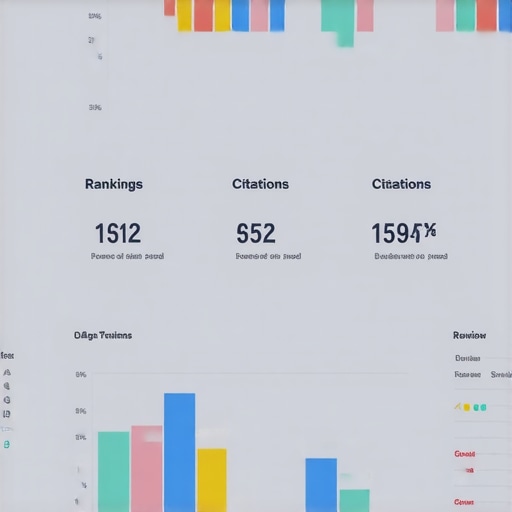
**Image description:** A screenshot of a local SEO dashboard displaying keyword rankings and citation health metrics.
Effective Methods for Long-Term Success
Consistency is key. I schedule weekly audits of my client’s GMB profiles, ensuring that all information remains accurate and engaging. Regularly updating photos and responding to reviews signal to Google that your listing is active and valued. I also keep an eye on competitors using SEMrush’s position tracking tools; understanding their movements helps identify opportunities or threats early. Another long-term tactic is backlink building focused on local relevance—partnering with Durham community blogs and local directories ensures your business remains prominent in local niches. For evolving strategies, I follow industry insights, such as those from Moz, which often highlight emerging signals like user engagement behaviors as crucial ranking factors. Stay proactive with your content marketing, especially creating location-specific pages and blog posts that resonate with Durham audiences—this adds valuable topical authority and keeps your local rankings resilient against algorithmic shifts.
**Image description:** A content calendar with scheduled local blog topics and photo updates for GMB profiles.
How Can I Keep Up with Changing Algorithms and Trends?
The digital landscape in local SEO is always shifting, with Google’s algorithms becoming smarter at detecting genuine engagement and local relevance. To stay ahead, I subscribe to industry newsletters and participate in forums like Local Search Forum, where experts often share updates on algorithm changes and effective adaptation strategies. Incorporating tools that track algorithm volatility, like Rank Ranger, provides alerts when significant shifts occur. Based on my experience, focusing on user-centric signals—such as review quality, business profile consistency, and engaging content—yields more sustainable results than quick fixes. I predict that in the next phase, automation of review solicitation and reputation management will grow more sophisticated, reducing manual effort while enhancing review volume. I recommend trying features like automated review requests via SMS integrated with your CRM system. For comprehensive support, consider reaching out through our contact page, where we can help you implement these advanced tactics effectively.
What I Wish Someone Told Me About Durham SEO
One of the most surprising lessons I learned was that even the best technical SEO isn’t enough without actively managing your reviews. I once focused solely on website optimization, thinking reviews would come organically—until I noticed my competitor outranking me because they engaged with customers and built their reputation backboard. That eye-opener taught me that reviews are not just feedback but critical signals for Google Maps rankings. Additionally, I discovered that obsessing over review volume without considering citation consistency or local link signals can actually hurt your long-term rankings. The biggest insight? A holistic, layered approach to local SEO wins the race—reviews, citations, content, and engagement all play vital roles in elevating your Durham business on Google Maps.