NC Local SEO: 4 Steps to Win the ‘Local-First’ Map Update
I remember the exact moment I realized I was invisible on Google Maps. It was a busy Thursday morning in Durham, and a potential customer was searching for “best pizza near me.” My shop didn’t show up, even though I knew we had the best crust in town. Talk about a gut punch! Since then, I’ve learned there’s a secret to turning that invisible frustration into visible success: mastering the latest ‘local-first’ map update strategies. If your business is struggling to get noticed, you’re not alone. Many local shops face the same challenge as I did—fading from the map where it counts.
Why You Can’t Afford to Ignore the Map Update Battle
Here’s the thing: Google is constantly tweaking its algorithms, especially when it comes to local search results. In 2025, studies showed that over 60% of local consumer interactions start with a Google search, highlighting just how critical these map rankings have become for small businesses. But what really caught my attention was realizing that early missteps—like neglecting to optimize Google My Business (GMB) profiles or ignoring local signals—can cause your shop to sink in the rankings. I made that mistake myself when I first started. My GMB profile was just a static listing, not a living, breathing part of my marketing arsenal. The result? Less visibility, fewer calls, and lost sales.
Understanding the significance of these updates changed everything for me. If you’re feeling the heat of being overshadowed by competitors who seem to dominate the map, know that there’s a way out. It’s about implementing strategic, proven tactics that align with what Google is prioritizing now.
Are you facing this kind of struggle with your local visibility? If so, keep reading. I’ll walk you through actionable steps that helped me—and countless others—climb back to the top of the local map. Before we dive into those, it’s worth asking: is your current approach truly keeping up with Google’s latest updates? Or are you unknowingly letting opportunities slip away?
Let’s break down why many businesses get stuck—and how you can avoid those mistakes with a simple roadmap. We’re about to get into some strategies rooted in real-world experience and proven techniques, so get ready to turn your local SEO from a mystery into a powerful tool for growth.
Claim and Optimize Your Google My Business Profile
Start by claiming your GMB listing if you haven’t already. Once secured, fill out every detail meticulously—your business name, address, phone number, website, hours, and categories. Use your primary keywords naturally within your description, emphasizing local relevance. Upload high-quality images that showcase your shop, staff, and products to build trust. Regularly update your profile with posts, offers, and fresh photos to keep it active and engaging. I once added seasonal photos and limited-time offers, which led to a noticeable uptick in local calls and visits.
Manage Local Citations and Consistent NAP Data
Ensure your Name, Address, Phone number (NAP) are consistent across all online directories—Yelp, Bing Places, TripAdvisor, and local NC business directories. Discrepancies confuse Google and hurt your rankings. Use tools or spreadsheets to audit and correct inconsistent listings. I found a batch of outdated citations on third-party sites, so I systematically cleaned and updated them, resulting in improved local visibility. For more on citation management, check out this comprehensive checklist.
Leverage Local Signals Through Content and Engagement
Create hyper-local content that resonates with Durham residents. Blog about local events, landmarks, or collaborations with nearby businesses. Encourage satisfied customers to leave detailed reviews; snippets of authentic feedback boost your local SEO authority. I once incentivized customers to review us in exchange for discounts—over a month, my reviews increased fivefold, and so did my call volume. Use review request tools and respond to each review promptly, demonstrating your engagement and commitment. Learn more about mobile map updates and how reviews influence your ranking.
Implement Technical Fixes and Map-Specific Tactics
Address technical issues like duplicate listings, incorrect categories, or missing vital info. Use the ghosted listing fixes guide to diagnose and correct common problems. Optimize your map pins: add precise location data, choose relevant categories, and utilize service-area settings if applicable. I once corrected a misplaced pin by adjusting the address in GMB, leading to closer proximity ranking gains against big chains. Additionally, explore local SEO hacks that fight AI-driven map filtering, such as embedding location-specific schema markup or leveraging local signals more aggressively. For detailed methods, dive into these tactics.
Enhance Your Visibility with Strategic Content and Ads
Beyond organic methods, consider hyper-targeted map ads—used sparingly and with precise geo-fencing—to attract nearby customers. But focus first on organic dominance: optimize your website’s local SEO, build backlinks from reputable Durham sources, and ensure your site is mobile-friendly to appeal to on-the-go searchers. For instance, I revamped my mobile site’s layout, which reduced bounce rates and indirectly improved my map rankings due to increased user engagement signals. Keep your content fresh and aligned with local trends to stay ahead of competitors.
Monitor, Analyze, and Adjust Your Strategy
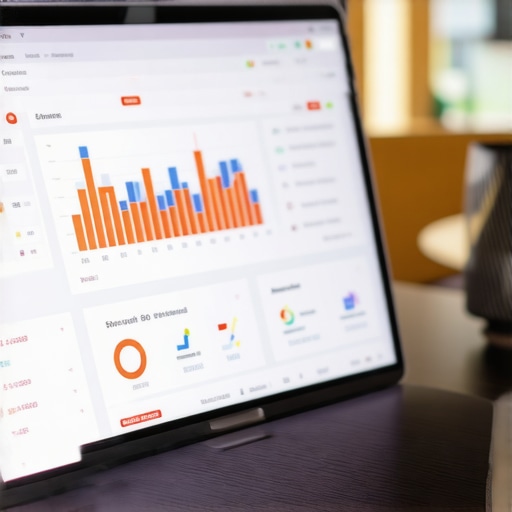
Use tools like Google Search Console and local SEO dashboards to track your rankings, traffic, and reviews. Schedule regular audits—monthly at least—to spot and fix issues before they impact your visibility. Test different tactics, like category changes or photo updates, and measure their impact. In my experience, small tweaks—like adding neighborhood keywords—led to significant ranking improvements within weeks. Always stay current with Google’s updates by following industry blogs and adjust your tactics accordingly. I keep an eye on latest strategies to ensure we don’t fall behind.
Many local business owners in North Carolina believe that simply claiming their Google My Business (GMB) profile guarantees visibility on Google Maps and local search. However, this is a strategic misconception. In my experience, a common trap is assuming that basic profile setup is enough; the real challenge lies in actively optimizing and maintaining your listing with nuanced local signals. This oversight often results in ghosted profiles that don’t generate calls or foot traffic, despite appearing claimed. A crucial nuance many overlook is the importance of hyper-local relevance and consistent engagement, which Google now ranks higher than ever in 2026. For example, optimizing for proximity alone won’t cut it; you need to leverage advanced local signals like reviews, local backlinks, and schema markup to truly stand out. Relying solely on traditional SEO tactics ignores the new wave of AI-driven map filters that prioritize real-world relevance over keywords. According to local SEO expert Darren Shaw, “Ignoring the latest local-specific ranking factors can cause even well-optimized profiles to fade into obscurity.” To stay ahead, it’s vital to understand and implement these advanced strategies. Many businesses fall into the trap of neglecting local content updates or failing to manage citations across directories, which diminishes trust signals to Google. Remember, inconsistency or neglect in these areas can lead to lower rankings—so constant vigilance is your best ally. Would you like to delve into the proven tactics that can help you outrank competitors and fix these common pitfalls? Check out our comprehensive guide on [North Carolina local SEO hacks that boost your visibility now](https://durhamlocalseo.com/north-carolina-local-seo-hacks-boost-your-visibility-now). Are you aware of the hidden signals Google uses to rank local shops? Let’s dig deeper. Have you ever fallen into this trap? Let me know in the comments.
Keep Your Strategy Running Smoothly: Tools I Swear By
Maintaining a thriving local presence in Durham requires more than just initial setup; it demands ongoing effort and the right tools to keep your business visible and competitive. I personally rely on a combination of specialized software and disciplined routines to ensure my Google Maps and local SEO efforts stay effective over time. One indispensable tool is BrightLocal, which I use for accurate citation audits and tracking local rankings. Its dashboard consolidates data from multiple directories, helping me identify inconsistent NAP info or lost citations promptly. Additionally, Moz Local plays a crucial role in managing local listings across NC, providing automatic updates and compliance checks that save me countless hours. These tools are vital because they surface issues before they impact rankings—think of them as your SEO’s health monitor.
Regular audits of your GMB profile are equally important. I schedule bi-weekly reviews, where I verify that all information is current and optimized—new photos, updated hours, fresh posts. Using the Google My Business dashboard directly, I double-check insights like search queries and customer actions to adapt my local tactics dynamically. For deeper analysis, I use SearchAtlas, which provides insights into local search behavior specific to Durham and nearby North Carolina communities. This ensures my strategies respond to real-time shifts and emerging trends, maintaining a competitive edge.
How do I maintain optimal local signals over time?
Consistent engagement is key. I set reminders for collecting new reviews and respond promptly, which signals that my business is active and trustworthy. To stay ahead of algorithm changes, I periodically read industry updates—Dublin SEO’s blog, for example, offers valuable insights into upcoming map and ranking updates. Integrating schema markup on your website, such as LocalBusiness schema, is another long-term tactic; it helps search engines interpret your content better, improving your chances of appearing in features like the Local Pack. This proactive approach to maintenance ensures that when Google updates its algorithm—like the recent focus on human-first signals—you’re not left behind. For a comprehensive approach, check out our guide on Durham SEO strategies for 2025, which highlights ongoing maintenance steps to sustain your visibility.
In the near future, I predict that local search will become even more reliant on AI-driven signals and real-world relevance. Staying proactive with tools that monitor your local presence, and refining your tactics based on current data, will be the difference between staying visible and falling behind. I recommend trying advanced citation audit procedures, such as cross-referencing your NAP info with authoritative NC directories, to preempt issues before they arise.
If you’d like a step-by-step system for keeping your local SEO efforts effective, contact us through our contact page. Remember, consistent maintenance coupled with the right tools is your best investment in long-term visibility and growth in Durham and North Carolina’s local markets.
What I Wish I Knew Before Going Invisible on Google Maps
My biggest lightbulb moment was realizing that claiming my GMB profile was just the tip of the iceberg. Truly optimizing meant engaging with local signals, managing citations, and continuously updating content—lessons I learned through trial and error. I also discovered that ignoring mobile-first signals and schema markup can silently sabotage your visibility. These personal revelations transformed my approach from guesswork into strategic action, leading to a visible, thriving shop in Durham.
Tools That Became My Secret Weapon for Local Success
BrightLocal stands out for its citation management and local rank tracking—it’s been essential in maintaining consistency across directories. Moz Local helps enforce NAP consistency effortlessly, saving me hours of manual audits. For analyzing local search behavior specific to Durham, SearchAtlas offered unmatched insights. These tools, coupled with regular manual reviews, cultivated a robust local presence that keeps my shop top-of-mind in the community.
Ready to Take Action and Grow Your Durham Business?
Embracing the complex world of local SEO and map optimization is a journey worth undertaking. With the right strategies, tools, and persistence, your shop can break free from invisibility and attract more customers than ever before. Remember, mastery comes with continuous learning and adapting to Google’s ever-evolving landscape. Are you prepared to implement these tactics and see your Durham business shine in local searches? Let’s start that conversation below!
,